


The average Swiss household loses over CHF 200 per year in foreign currency fees on credit card purchases. Spend EUR 5,000 abroad with a typical Swiss card charging 1.75%, and you're handing over CHF 87 in fees alone. Here's how to keep that money in your pocket.
What's the Best Credit Card for Use Abroad from Switzerland?
The best credit card for abroad isn't necessarily the one with the fanciest rewards. It's the one that charges you the least when you pay in euros, dollars, or any other foreign currency. For Swiss residents, that means focusing on one number above everything else: the foreign exchange (FX) fee.
Most traditional Swiss credit cards charge between 1.5% and 2.5% on every non-CHF transaction. That's a fee you pay on top of the exchange rate markup. So when you're buying dinner in Rome or booking a hotel in Barcelona, you're silently losing 1.5 to 2.5 cents on every franc you spend.
The cheapest options for abroad use include the Migros Cumulus Visa (no processing fee, though the exchange rate markup is slightly higher), the Bonuscard Simply Card Smart Visa, and the Swisscard Cashback cards. But here's the real insight: for pure foreign currency spending, neobank debit cards from Revolut, Wise, or Neon often beat every traditional credit card.
Here are our top picks if you want a Swiss credit card optimised for spending abroad:
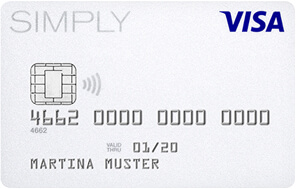
- Annual fee: CHF 0
- FX fee: 0.5% (cheapest in CH)
- Rewards: Cashback on selected partners
- Issuer: Bonuscard / Cembra
- Read our review
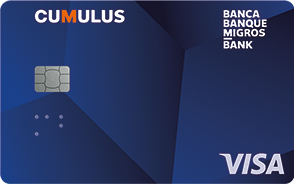
- Annual fee: CHF 0
- FX fee: 1.75% (no extra processing fee)
- Cash withdrawal abroad: 2.5% (lowest in CH)
- Rewards: Cumulus points on every purchase
- Read our review
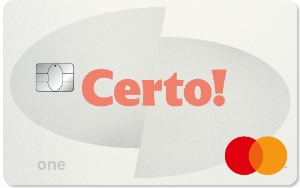
- Annual fee: CHF 0
- FX fee: 1.5%
- Cashback: 1% at Migros, Coop, SBB
- Travel coverage: up to CHF 100,000
- Read our review
The trick is knowing when you need a real credit card (hotel deposits, car rentals, insurance coverage) and when a neobank card gets the job done for less.
How Much Are You Really Paying in Foreign Currency Fees?
Let's do some honest math. Say you spend EUR 5,000 per year abroad, which is realistic if you travel a few times and occasionally shop online from EU retailers.
With a standard Swiss credit card charging 1.75% FX fee, you pay CHF 87.50 in fees. With a card charging 2.5%, that jumps to CHF 125. Over five years, that's CHF 437 to CHF 625 in pure waste.
The fee has two components most people don't realize. First, there's the card network's exchange rate markup (Visa and Mastercard each set their own rates). Second, there's the issuer's processing fee on top, typically 1.2% to 1.75% for Swiss cards. Together, these can easily eat 2% or more of every international purchase.
Cards with "no foreign currency processing fee" still use the network's exchange rate, which includes a small markup over the interbank rate. So "free" doesn't mean zero cost, but the difference is dramatic. A card with 0% processing fee and the Visa exchange rate will cost you roughly 0.3 to 0.5% total, versus 2% or more on a standard card.
For someone spending EUR 5,000 abroad annually, switching from a 1.75% card to a 0% processing fee card saves roughly CHF 75 per year. That's real money for doing nothing more than swiping a different card.
Credit Cards vs. Neobanks: What's Cheapest Abroad?
This is where it gets interesting. For pure cost savings on foreign purchases, neobank debit cards consistently beat traditional Swiss credit cards. But they come with trade-offs.
Traditional Credit Cards
Traditional credit cards from Swisscard, Cornèrcard, Cembra, or Migros Bank are accepted everywhere and provide a credit line. This matters when a hotel needs to block CHF 500 as a deposit or a car rental company requires a credit card guarantee. You also get travel insurance on many premium cards, which can be worth CHF 150 or more per year.
The downside: FX fees of 1.2% to 2.5% on international purchases. Even the "cheapest" traditional cards still cost more than neobank alternatives for daily spending abroad.
Neobank Debit Cards
Neon, Revolut, and Wise offer exchange rates close to the real interbank rate with minimal or zero markups. Revolut's free plan gives you fee-free spending in over 130 currencies (with some monthly limits). Wise charges a small transparent fee, typically 0.3 to 0.6%. Neon charges 0.35% on international transactions on the free plan, or 0% on the paid plan (CHF 2/month).
The downside: these are debit cards, not credit cards. Some hotels and car rentals won't accept them. You also don't get travel insurance, purchase protection, or rewards programs.
Two-Card Strategy
The smartest approach is carrying two cards. Use a neobank card (Revolut, Neon, or Wise) for everyday purchases abroad: restaurants, shopping, groceries, transport. Use a traditional credit card only when you genuinely need one: hotel check-ins, car rentals, or large purchases where you want insurance coverage.
This way, 80% of your foreign spending happens at near-interbank rates, and you only pay the higher FX fee on the 20% that requires a real credit card. On EUR 5,000 of annual foreign spending, this strategy saves you CHF 60 to CHF 100 compared to using a traditional credit card for everything.
Traditional credit cards from Swisscard, Cornèrcard, Cembra, or Migros Bank are accepted everywhere and provide a credit line. This matters when a hotel needs to block CHF 500 as a deposit or a car rental company requires a credit card guarantee. You also get travel insurance on many premium cards, which can be worth CHF 150 or more per year.
The downside: FX fees of 1.2% to 2.5% on international purchases. Even the "cheapest" traditional cards still cost more than neobank alternatives for daily spending abroad.
Neon, Revolut, and Wise offer exchange rates close to the real interbank rate with minimal or zero markups. Revolut's free plan gives you fee-free spending in over 130 currencies (with some monthly limits). Wise charges a small transparent fee, typically 0.3 to 0.6%. Neon charges 0.35% on international transactions on the free plan, or 0% on the paid plan (CHF 2/month).
The downside: these are debit cards, not credit cards. Some hotels and car rentals won't accept them. You also don't get travel insurance, purchase protection, or rewards programs.
The smartest approach is carrying two cards. Use a neobank card (Revolut, Neon, or Wise) for everyday purchases abroad: restaurants, shopping, groceries, transport. Use a traditional credit card only when you genuinely need one: hotel check-ins, car rentals, or large purchases where you want insurance coverage.
This way, 80% of your foreign spending happens at near-interbank rates, and you only pay the higher FX fee on the 20% that requires a real credit card. On EUR 5,000 of annual foreign spending, this strategy saves you CHF 60 to CHF 100 compared to using a traditional credit card for everything.
Visa or Mastercard: Does the Network Matter Abroad?
Short answer: barely. Both Visa and Mastercard are accepted in virtually every country and at almost every merchant. The acceptance difference between them is negligible for most travelers.
Where they do differ slightly is on exchange rates. Visa and Mastercard each set their own currency conversion rates daily. Historically, Mastercard's rates have been marginally better for some currency pairs, but the difference is typically under 0.1%. Not worth losing sleep over.
What actually matters more than the network is the issuer's FX fee. A Visa card with 0% FX fee will always be cheaper than a Mastercard with 1.75% FX fee, regardless of any tiny exchange rate difference. Focus on the fee, not the logo.
One genuine consideration: if you travel frequently to the US, having an American Express card as a backup can be useful. Amex acceptance is strong in North America, and Swisscard's Amex cards offer solid cashback. But in Europe and most of Asia, Visa and Mastercard are the only reliable options.
The Dynamic Currency Conversion Trap
This is the single most expensive mistake you can make with any card abroad, and almost no one talks about it.
When you pay at a terminal abroad, you might get asked: "Pay in CHF or local currency?" This is called Dynamic Currency Conversion (DCC). Always choose the local currency. Always.
Here's why. When you pay in local currency, your card issuer converts the amount using the Visa or Mastercard exchange rate (which is close to the interbank rate) plus whatever FX fee your card charges. When you "pay in CHF," the merchant's terminal operator sets the exchange rate, and they typically mark it up by 3 to 5%. So your "convenient" CHF payment actually costs you 3 to 5% more than just letting your card do the conversion.
This applies to ATM withdrawals too. If an ATM abroad offers to show you the amount in CHF, decline. Let your bank handle the conversion.
Common Mistakes When Using Credit Cards Abroad
Many Swiss residents assume their bank's credit card is fine for abroad. It usually isn't. A standard UBS, Credit Suisse, or Raiffeisen credit card can charge 1.75% or more on every foreign purchase. Spend 10 minutes checking your card's fee schedule before your next trip. It could save you hundreds of francs per year.
Choosing to pay in CHF at a foreign terminal feels convenient, but it costs you 3 to 5% in hidden exchange rate markups. The only one who benefits is the payment processor. Always select the local currency.
ATM cash withdrawals with Swiss credit cards typically cost 4% with a minimum of CHF 10. That's CHF 10 for withdrawing just EUR 50. If you need cash abroad, use a neobank debit card or withdraw before you travel.
If your single card gets blocked, stolen, or declined, you're stuck. Always carry at least two cards on different networks (one Visa, one Mastercard) stored separately. A neobank card makes an excellent backup that costs you nothing.
If your credit card includes travel medical coverage worth CHF 100,000 or more, you might not need a separate travel insurance policy. But the coverage only applies when you book the trip with that card. Check the terms before assuming you're covered.
My Recommendation for Traveling Abroad
After years of optimizing my own spending and analyzing every Swiss credit card's fee structure, here's my honest recommendation: get a neobank card for your everyday foreign spending, and keep a traditional credit card for when you actually need one. The two-card strategy isn't complicated, and it saves real money. If you're spending EUR 3,000 or more abroad per year, a card with 0% FX processing fee pays for itself immediately. For the credit card side, look at options from our best travel credit cards comparison. For everything else abroad, Revolut or Neon will serve you better than any traditional Swiss credit card.

For a deeper comparison of cards with zero or minimal foreign currency fees, check our no foreign transaction fee credit cards guide. And if you want to understand how exchange rates work across networks, our credit card exchange rates explainer breaks it all down.
Frequently Asked Questions
What credit card is cheapest to use abroad from Switzerland?
For pure cost, neobank debit cards like Revolut, Wise, and Neon are cheapest, with fees under 0.5%. Among traditional credit cards, the Migros Cumulus Visa and Bonuscard Simply Card Smart have the lowest foreign currency fees. The cheapest option depends on how much you spend abroad and whether you need a real credit card or a debit card works.
Which Swiss credit cards have no foreign currency fee?
Very few traditional Swiss credit cards have truly zero foreign currency processing fees. The Migros Cumulus Visa advertises no processing fee but uses a slightly wider exchange rate spread. Neobank cards like Revolut (free plan, up to monthly limits) and Neon (paid plan at CHF 2/month) come closest to zero-fee foreign spending. Check our no foreign fee cards guide for detailed comparisons.
Is Visa or Mastercard better for use abroad?
Both are accepted virtually everywhere worldwide. The exchange rate difference between Visa and Mastercard is typically under 0.1%, which is negligible. The issuer's FX processing fee matters far more than the card network. Choose your card based on fees and features, not the logo.
Should I pay in CHF or local currency when abroad?
Always pay in the local currency. When a terminal offers to convert to CHF (called Dynamic Currency Conversion), the exchange rate is set by the terminal operator, typically with a 3 to 5% markup. Paying in local currency lets your card issuer handle the conversion at a much better rate.
Do I need a credit card for traveling, or is a debit card enough?
For most day-to-day spending abroad, a debit card works fine and is often cheaper. However, you'll need a real credit card for hotel deposits, car rentals, and situations where merchants require a credit guarantee. The recommended strategy is to carry both: a neobank debit card for daily purchases and a credit card for bookings and emergencies.