Rating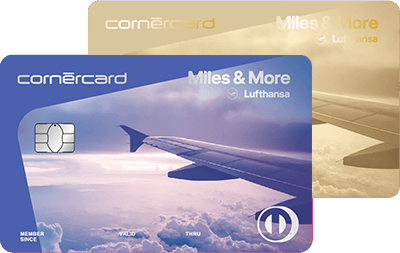

What Is a Good Travel Credit Card in Switzerland?
Look, here's the honest truth: most travel cards in Switzerland are basically just Miles & More cards with different price tags slapped on them.
A good travel credit card needs to earn you at least 1 to 2 miles per CHF spent, come with decent travel insurance (we're talking CHF 1,000,000+ medical coverage), and not charge you foreign transaction fees every time you buy something outside Switzerland. That's the baseline. Anything less and you're getting ripped off.
Here's what makes the Swiss market different: in the US, you've got a dozen airline loyalty programs fighting for your wallet. In Switzerland? It's basically Miles & More or nothing. SWISS and Star Alliance own this space, which means understanding how Miles & More works isn't optional if you want to actually use your points.
The comparison table above shows every travel card worth considering, ranked by what actually matters (earning rates, fees, insurance that you'll use, and lounge access). Below, I'll break down how to figure out which one makes sense for how you actually travel.
Is Getting a Travel Credit Card Worth It?
Short answer: only if you fly at least 4 times a year or spend over CHF 20,000 on your card annually. Below that? You're probably throwing money away. A simple cashback card will give you better returns without the headache.
After years of tracking this stuff (yes, I'm that person who spreadsheets their credit card rewards), here's when travel cards actually make sense:
- You're flying SWISS or Star Alliance at least quarterly
- You actually use airport lounges (not just walk past them feeling important)
- You need solid travel insurance anyway
- You're willing to spend 20 minutes figuring out how to redeem miles without getting screwed
- You fly once or twice a year (you're not fooling anyone)
- You want guaranteed money back, not "flexible redemption options"
- Tracking points and expiration dates sounds boring as hell
- You spend less than CHF 15,000 yearly on credit cards
Let me show you the math everyone skips. Take that CHF 300 annual fee card earning 1.5 miles per franc. You spend CHF 20,000, you get 30,000 miles. At realistic value (CHF 0.02 per mile, not the inflated numbers marketing shows you), that's CHF 600 in value. Minus the CHF 300 fee equals CHF 300 net benefit. Add insurance value if you'd buy it separately anyway.
- Annual fee: CHF 300
- Annual spending: CHF 20,000
- Earning rate: 1.5 miles per CHF
- Miles earned: 30,000 miles
- Realistic value (CHF 0.02/mile): CHF 600
- Net benefit (+ insurance): CHF 300
Here's the catch: most people overestimate how much they'll use the perks and underestimate the annual fee pain.
Is Miles and More Credit Card Worth It?
Miles & More basically owns the Swiss market. If you're flying out of Zurich or Geneva regularly, you're probably flying SWISS, which means you're stuck with Miles & More whether you like it or not.
These cards work great if you're loyal to Star Alliance (SWISS, Lufthansa, Austrian, Singapore Airlines, and 24 other partners). The flexibility across the network is genuinely useful, but here's what they don't tell you: award availability is wildly inconsistent depending on the route. Good luck finding business class seats to New York in July.
Here's what your miles are actually worth:
- Economy redemptions: CHF 0.01 to CHF 0.015 per mile (meh)
- Business class redemptions: CHF 0.03 to CHF 0.05 per mile (now we're talking)
- First class redemptions: CHF 0.05 to CHF 0.08 per mile (if you can find availability)
Let's use real numbers: 50,000 miles for economy to New York gets you around CHF 500 to CHF 750 in value. Take those same miles and book business class? You're looking at CHF 1,500+ in value. This is why travel card nerds obsess over premium cabin redemptions.
For a comprehensive breakdown of Miles & More cards, fees, earning strategies, and redemption tips, check our complete Miles & More guide.
Travel Credit Card Comparison: What to Evaluate
Miles Earning Rates
You'll see earning rates from 0.5 to 2 miles per CHF. Premium cards throw in bonus categories to make things more complicated:
- Travel bookings: 2x to 4x miles
- Dining: 1.5x to 2x miles
- Everything else: 1x base rate (the reality check)
Here's what matters: do the math on your actual spending. A card giving you 3x miles on travel but only 0.5x on everything else is garbage if travel is under 30% of your spending. A flat 1.5x card would beat it. Marketing makes bonus categories sound amazing until you realize most of your spending doesn't qualify.
Foreign Transaction Fees
Standard Swiss cards will hit you with 1.5% to 2.5% fees every time you spend in a foreign currency. Spend CHF 5,000 abroad annually? That's CHF 75 to CHF 125 gone. Just poof.
Planning extended time abroad? Our best credit cards for abroad guide ranks cards specifically for international use, while our no foreign transaction fee cards comparison helps you eliminate this hidden cost entirely.
The best no foreign transaction fee cards waive these completely. If you travel internationally even a few times a year or shop from foreign websites (hello, Amazon), this one benefit can cover your entire annual fee. Do the math before you sign up. For a deeper look at how Visa vs Mastercard exchange rates compare and where hidden markups lurk, see our credit card exchange rates guide.
Travel Insurance Coverage
This is where travel cards can actually save you real money. The bundled insurance is often worth hundreds to thousands of francs if you'd buy it separately (our credit card insurance guide compares every card's coverage in detail):
- Medical emergencies abroad: CHF 100,000 to CHF 2,500,000 (don't travel without this)
- Trip cancellation: Covers non-refundable bookings when stuff goes wrong
- Luggage loss/delay: CHF 1,000 to CHF 5,000 (won't replace everything, but helps)
- Rental car insurance: Collision damage waiver (decline the rental counter upsell)
Airport Lounge Access
Priority Pass or LoungeKey memberships come with better travel cards. Entry-level cards give you 2 to 4 visits annually. Premium cards offer unlimited access (and sometimes guest passes).
Look, lounge access is genuinely nice. Free food, decent WiFi, actual chairs during layovers. But be honest about how often you'll use it. If you're flying twice a year, paying CHF 300 extra for unlimited lounge access is nonsense. Just buy day passes when you need them. For a detailed breakdown of which cards include Priority Pass or LoungeKey, check our airport lounge access guide.
Travel Points Cards vs Travel Miles Cards: What's the Difference?
Points cards give you flexible points you can transfer to different airlines or hotels. Miles cards earn airline-specific miles (usually Miles & More here in Switzerland). Which one's better? Honestly, it depends on how you travel.
Better when you want backup options, travel to hotels as much as you fly, or like having a cashback escape hatch.
Better when you're loyal to one airline, want higher earning rates, or prefer simple redemptions.
For most people living in Switzerland, Miles & More cards just make more sense. SWISS dominates Zurich and Geneva, so you'll probably fly them anyway. Why add complexity with flexible points when 80% of your flights are on one alliance?
That said, if you're flying different airlines constantly or mixing business travel with leisure (different fare classes, different carriers), flexible points give you more wiggle room when redemptions get tricky.
Best Travel Credit Cards for Beginners
If you're just starting out, don't pay CHF 300+ annual fees for perks you won't use. Start with entry-level cards under CHF 100 that give you the basics without the premium BS.
What you actually need as a beginner:
- Low or no annual fee (seriously, under CHF 100)
- Basic travel insurance that covers medical emergencies
- Simple earning (flat rates beat complicated bonus categories)
- No foreign transaction fees for international spending
What you can completely ignore:
- Airport lounge access (you'll walk past the lounge 3 times a year)
- Concierge services (you have Google)
- Premium insurance tiers (basic coverage is fine)
- Status accelerators (you're not a business traveler yet)
Move up to premium cards once you're taking 6+ trips annually or spending over CHF 30,000 on your card. Paying CHF 300 in fees when you fly twice a year is just lighting money on fire, regardless of what the marketing materials promise you.
Swiss Air Credit Card Options
Co-branded SWISS cards give you the deepest Miles & More integration. You'll get bonus miles on SWISS bookings (2x to 4x normal rates) plus perks like priority boarding and extra luggage allowance.
- Serious bonus miles on SWISS flights (this adds up fast)
- Priority check-in and boarding (skip the regular line)
- Extra checked baggage (saves you fees every trip)
- Upgrade vouchers on premium tiers (hit or miss on availability)
- You're locked into SWISS and Star Alliance
- Less flexible if you occasionally fly easyJet or other carriers
- Only worth it if you're genuinely flying SWISS regularly
Here's the reality: if SWISS is your main carrier and you're flying them 4+ times a year, the co-branded card probably makes sense. If you're mixing in budget airlines, different alliances, or only flying once or twice annually, you're paying for brand loyalty you're not using. If you just need a solid card that works well internationally, our best credit cards for abroad comparison might be more useful.
Travel Mastercards vs Travel Visa Cards
Honestly? This barely matters. Both Mastercard and Visa work pretty much everywhere in Switzerland and abroad.
The rare cases where network choice matters:
- Some budget airlines prefer one network over the other
- Certain countries (like Japan) lean toward one network
- Occasional merchant categories show preferences (but this is rare)
Here's the truth: a Mastercard earning 1.5x miles beats a Visa earning 1x miles, regardless of the logo. Stop overthinking the network and focus on what actually matters (annual fees, earning rates, insurance). The network debate is mostly marketing noise.
Corner Card Travel and Other Swiss Issuers
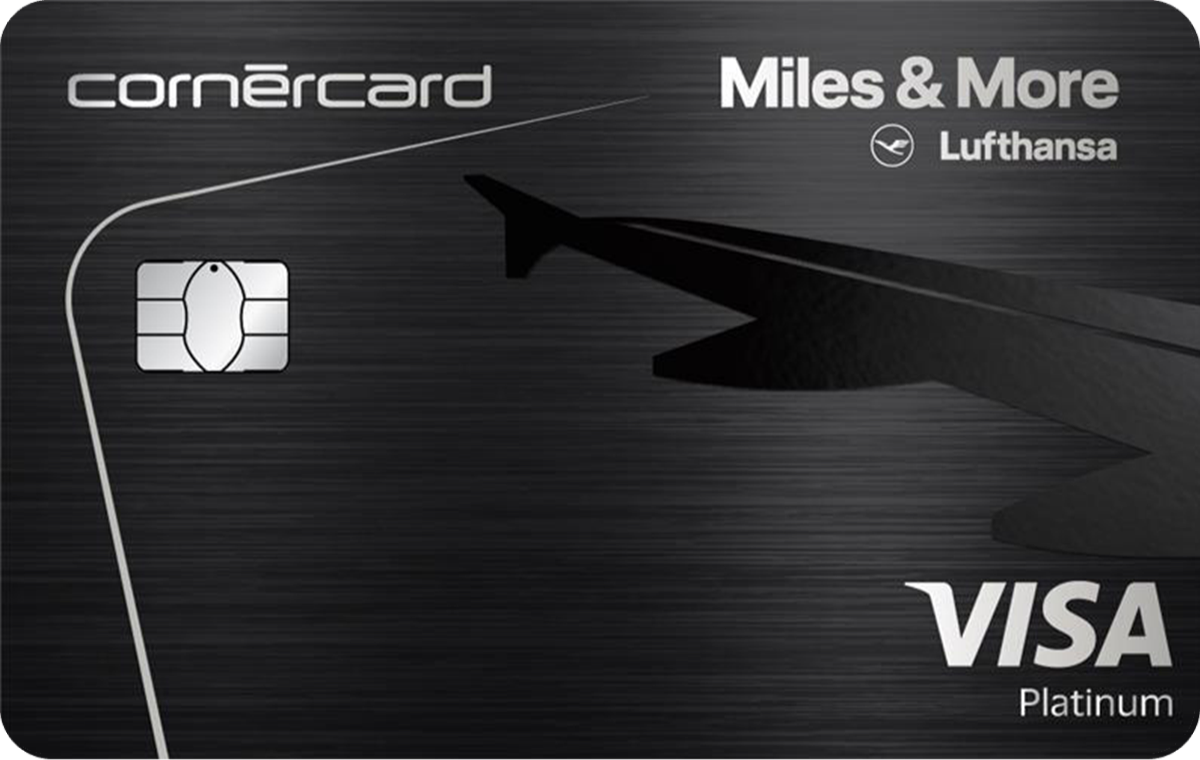
Cornercard makes solid travel cards that compete with Swisscard and the big banks. Their lineup ranges from budget options to premium tiers, all with varying levels of Miles & More integration.
The main players in Swiss travel cards:
- Swisscard: Partnerships with Amex and Visa/Mastercard, strongest lounge access options
- Cornercard: Usually cheaper annual fees, good Miles & More alternatives
- Cembra: Certo! products with decent travel perks
- UBS: Banking relationship pricing if you're already a customer
- Viseca: Various co-branded options (hit or miss)
Each issuer pushes different angles. Swisscard typically wins on lounge access programs. Cornercard undercuts on pricing. Traditional banks give you relationship discounts if you're already banking with them (though these "discounts" are often just bringing inflated fees back to normal rates).
Credit Card with Travel Miles: Maximizing Value
Travel cards only deliver value if you're strategic about earning and redeeming. Here's how to not screw it up:
Earning Strategy
- Put all travel spending on your travel card (flights, hotels, rental cars)
- Use it for dining and entertainment if you get bonus categories
- Switch to a cashback card for everything else that doesn't earn bonuses
- Explore our miles earning guide for advanced strategies on maximizing miles across different card tiers
Redemption Strategy
- Target business class on long-haul flights (you'll get 3-5x the value vs economy)
- Book award flights 3-6 months ahead (last-minute availability is terrible)
- Use partner airlines when SWISS has no award seats
- Never redeem for merchandise or gift cards (horrible value, seriously)
Avoiding Value Destruction
I see people destroy their miles value constantly. Here are the most common ways to throw away what you've earned:
Any activity resets the 36-month clock. Set a calendar reminder or you'll watch your miles vanish.
Terrible value per mile. Save your miles for long-haul or premium cabin flights.
Airlines jack up the "award" pricing for last-minute seats. Book 3-6 months ahead.
If you're facing expiration, transfer miles to partners. Better than losing them entirely.
Who Has the Best Travel Credit Card in Switzerland?
There's no universal "best" card. It depends entirely on how you actually travel (not how you think you'll travel when you sign up).
After analyzing the Swiss market, here's my honest take: most people should start with entry-level travel cards or skip them entirely. Premium travel cards only make sense if you're flying 6+ times a year and will actually use the perks. Otherwise, a good cashback card delivers better guaranteed value.

Here's what makes sense for different travel frequencies:
Get a co-branded SWISS card and max out the Miles & More earning. The premium fees actually pay for themselves through enhanced earning and perks you'll use.
Go with flexible points cards or mid-tier Miles & More cards. Don't pay extra for SWISS-specific perks you won't use half the time.
Honestly? Entry-level travel cards or just stick with premium cashback cards. Do the math on whether travel benefits justify paying annual fees for occasional use.
Start with no-fee or low-fee cards. Build up your travel frequency before dropping CHF 300+ on premium cards. Most beginners overestimate how much they'll travel and end up wasting money on unused perks.
Travel Credit Card Comparison Table: How to Use It
The comparison table above shows every Swiss travel card worth considering, ranked by what actually matters. Here's how to filter through the noise:
- Annual fee range: Set your budget limit (be realistic, not aspirational)
- Earning rate: Compare miles per CHF spent (watch for misleading bonus category claims)
- Insurance tier: Match coverage to how you actually travel
- Lounge access: Filter for Priority Pass or LoungeKey if you'll use it
Click on individual cards for the full breakdown (insurance details, foreign fees, redemption options). If you want to compare across all card types, check our Best Credit Cards in Switzerland overview.
Frequently Asked Questions
What is the best travel credit card in Switzerland?
Miles & More cards from Swisscard and Cornercard dominate if you're flying SWISS or Star Alliance. Which specific card depends on how often you travel, how much you spend, and whether you'll actually use the premium perks. Entry-level cards work fine for occasional travelers. Premium cards only make sense for frequent flyers who'll use the benefits.
How many miles do I need for a free flight?
Within Europe: 15,000 to 30,000 Miles & More miles for economy. Long-haul economy: 35,000 to 70,000 miles. Business class costs 2-3x the economy miles. Availability changes constantly depending on route and timing, so book early if you want actual choices.
Do travel credit cards work for hotel bookings?
Yep. Most travel cards earn miles on hotel spending at either standard or bonus rates. Some cards partner with specific hotel programs (Marriott Bonvoy, Hilton Honors) for extra earning. Check if your card has hotel partnerships before booking.
Are travel card miles taxable in Switzerland?
Generally no. Miles earned from spending are treated as purchase rebates, not income. That said, massive sign-up bonuses or employer-reimbursed spending that you're pocketing miles from might raise questions. When in doubt, ask a tax advisor (not a credit card forum).
Should I get a travel card or cashback card?
Travel cards win if you're flying frequently and willing to optimize redemptions (especially for business class where you can get 2-5x value). Cashback cards win if you fly occasionally and want guaranteed returns without playing the points game. Most Swiss residents don't travel enough to justify premium travel cards, honestly.