Valutazione

What Makes a Shopping Credit Card Worth It in Switzerland?
Here's the bottom line: the best shopping credit cards in Switzerland give you more money back than you pay in annual fees. Sounds obvious, right? Yet after years of building GetRates and watching thousands of Swiss residents compare cards, I've seen the same mistake over and over. People pick cards based on what sounds impressive rather than what actually matches their spending.
Let me be blunt. Most people are using the wrong credit card right now.
Swiss shopping credit cards break into three types:
Think Coop or Manor. Killer rewards at specific stores you already shop at regularly.
Pay more on broad spending like groceries or online purchases. Good for diverse shoppers.
Money back everywhere without making you think about where you're shopping.
The right card depends on where you actually shop, not where you think you should shop. Track your spending for two months before deciding. (Trust me on this one.) Most Swiss households spend 60% or more of their retail money at just two or three places.
How Do Swiss Credit Cards Compare for Shopping?
Reward Structures Explained
Points-based cards earn you 1 to 3 points per franc at partner stores. Here's where things get sneaky: those points convert to vouchers or statement credits at CHF 0.01 to CHF 0.02 per point. Do the math. A card screaming "3x points!" only gives you 3% back if points actually redeem at full value. Spoiler: they often don't.
Cashback cards are refreshingly honest. You get 0.5% to 1% dropped right into your account. No conversions, no expiration dates, no "partner store" BS. Spend CHF 1,000, get CHF 5 to CHF 10 back. Done.
If you hate tracking rewards programs (and honestly, who doesn't?), cashback cards are your friend.
Voucher programs give you bonus value when you redeem for partner gift cards. Some add 10% to 20% extra if you take vouchers instead of cash. This actually works great if you'd shop at those stores anyway. If not, you're just limiting yourself for a couple extra francs.
Annual Fee Considerations
Shopping card fees in Switzerland run from free to CHF 150. Here's the math you actually need: take the annual fee and divide it by the reward rate difference. That's how much you need to spend to break even.
Example: You're eyeing a CHF 100 card with 2% rewards. You currently have a free card giving 1%. You need to spend CHF 10,000 a year just to break even. Below that? The free card wins every time, regardless of how impressive the 2% sounds.
No-fee shopping cards are underrated. They guarantee you're making money, not losing it. Perfect for occasional shoppers, anyone watching their budget, or if you're just building credit history in Switzerland.
Which Swiss Retailers Have Credit Card Partnerships?
Coop and Migros Programs
Coop credit cards stack with the Supercard loyalty program, so you're earning points twice on Coop Group purchases. (The Coop Group is bigger than you think: Coop supermarkets, Interdiscount, Microspot, and The Body Shop all count.) You can hit 1.5% to 2% returns at partner locations when you stack everything.
Migros does its own thing. They focus on debit solutions instead of credit cards. The Cumulus program stays separate from credit card rewards, though some cards do recognize Migros for category bonuses.
Here's the real talk: if you're spending CHF 800 to CHF 1,200 a month on groceries (and let's be honest, most Swiss families are), a supermarket-optimized card puts CHF 100 to CHF 300 back in your pocket annually. That's real money.
Department Store Options
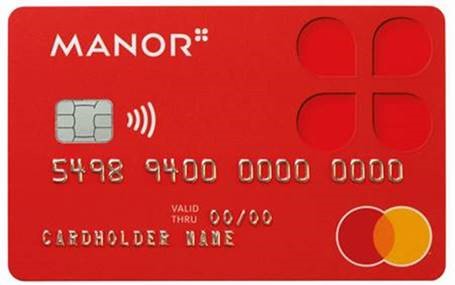
Manor, Globus, and Jelmoli team up with card programs for 1% to 3% elevated rewards. If you're the type who shops at premium department stores for fashion, home goods, and gifts, these cards make sense.
The perks beyond cashback can be worth it too: early sale access, extended return windows, invitation-only events. If you're a regular at these stores anyway, might as well get the VIP treatment.
Online Shopping Categories
E-commerce gets elevated rewards on many Swiss cards through something called merchant category codes. (Boring technical stuff that works in your favor.) Your online purchases trigger bonus rates no matter which specific site you're buying from.
Cards focused on online rewards usually play nice with Apple Pay and Google Pay, which makes checkout stupid easy both online and in stores.
What Are Common Mistakes When Choosing Shopping Cards?
Look, I get it. A 2% reward rate sounds sexy. But did you calculate the CHF 200 annual fee that requires CHF 10,000 in spending just to break even? Most people don't.
I've seen people spend CHF 100 to earn CHF 2 in rewards and somehow feel like they won. That's not winning. That's losing with extra steps. Rewards only count on purchases you were making anyway. Everything else is just expensive math.
Tons of Swiss residents shop across the border in Germany or France for better prices. Smart move. Until you realize your card is charging 1.5% to 2.5% in foreign transaction fees, which completely kills your savings.
This one hurts. Swiss consumers lose thousands of francs every year in rewards that just expire. Some programs kill your points after 12 to 24 months of inactivity. Others have hard expiration dates no matter what.
How Much Can You Actually Save With Shopping Cards?
Realistic Return Calculations
Let's talk real numbers. The average Swiss household puts CHF 15,000 to CHF 25,000 on credit cards annually. At 1% cashback, you're looking at CHF 150 to CHF 250 back. Premium cards with 1.5% to 2% on retail might get you CHF 225 to CHF 500.
But here's what matters: subtract the annual fee to get your actual benefit. CHF 300 in rewards minus a CHF 100 fee equals CHF 200 in your pocket. A CHF 150 return from a free card equals CHF 150 in your pocket. See how that free card suddenly doesn't look so bad?
Value Beyond Cashback
Purchase protection covers your new stuff against theft, damage, or loss for 30 to 90 days after you buy it. This actually matters for electronics, appliances, and anything expensive. (Yes, you might actually use this one day.)
Extended warranty coverage tacks 6 to 12 months onto manufacturer warranties. One avoided appliance repair can pay for an entire year's worth of cashback. I'm not saying you should count on it, but it's nice insurance.
Price protection refunds you the difference if something you bought drops in price within 30 to 60 days. This feature is getting rarer, but if your card has it and you're buying big-ticket electronics or furniture, it's worth checking prices after purchase.
Should You Use Multiple Cards for Shopping?
- Coop card for groceries, high-reward card for online shopping, zero-fee card for cross-border
- Can boost total rewards by 30% to 50% compared to one card
- Maximum returns if you're organized enough to track spending by category
- Multiple due dates, rewards programs, and annual fees create friction
- Most Swiss residents are better off with one good card than juggling accounts
- Extra hassle usually isn't worth the extra few francs
If your spending is all over the place without clear patterns, a simple cashback credit card giving 1% on everything will probably beat your "optimized" multi-card strategy. Sometimes boring wins.
What Do I Need to Apply for a Shopping Credit Card?
Documentation Requirements
Swiss credit card applications need:
- Valid residence permit (B or C) or Swiss passport
- Proof of income (salary certificate or tax returns)
- Address confirmation (utility bill or rental contract)
- Existing banking relationships (helps but isn't required)
Processing times vary wildly. If you're already a customer, you might get instant approval. New applications with income verification can take 2-3 weeks.
Income Thresholds
Basic shopping cards usually want CHF 30,000 minimum annual income. Premium cards with better rewards often require CHF 50,000 or more.
Got a B permit? You're good for most Swiss credit cards as long as you can document your income. They'll start you with a conservative credit limit that increases once you prove you can handle it. Start with the accessible stuff before chasing premium cards you might not qualify for yet.
Credit Assessment Process
Switzerland doesn't use credit scores like the US. Instead, there's ZEK (Zentralstelle für Kreditinformation), which tracks the bad stuff: defaults, bankruptcies, unpaid bills.
Clean ZEK record? You're in good shape for approval and higher initial limits. Messy ZEK record? You're going to have a harder time.
Are Shopping Cards Worth It for Foreigners in Switzerland?
Yes. Swiss credit cards are accessible with a B permit and documented income. Most issuers are fine with international residents, though they'll start you with conservative credit limits until you prove yourself.
Here's the catch: your credit history from abroad doesn't transfer. Perfect credit in the US, UK, or anywhere else? Doesn't matter. You're starting fresh in Switzerland. Plan on building Swiss credit history for 12 to 24 months before going after premium cards.
For foreigners specifically, get a card with zero foreign transaction fees. You'll probably be buying stuff from your home country online, shopping internationally, and traveling to neighboring countries. Those currency conversion fees add up fast.
Comparing Shopping Cards to Other Card Types
Shopping vs. Travel Credit Cards
Travel credit cards are great if you're flying internationally four or more times a year and want airline miles plus lounge access. Shopping cards are great for everyone else who, you know, buys groceries and stuff.
Most households get more value from shopping cards than travel cards. (Unless you're living the jet-set life, in which case, good for you.)
Want both? Keep a shopping card for retail and a travel card for flights. Just make sure you're actually using both enough to justify the hassle. Check out our Best Travel Credit Cards comparison if you're curious.
Shopping vs. Premium Cards
Premium credit cards throw everything together: shopping rewards, travel insurance, concierge services, lifestyle perks. They also throw everything at your wallet: CHF 300 to CHF 1,000+ in annual fees.
Dedicated shopping cards focus on retail optimization with lower fees. Way lower.
Before you spring for a premium card, calculate whether you'll actually use all those bundled benefits. Most people pay for the full package and only use the shopping rewards. That's expensive.
My Personal Take on Shopping Credit Cards
After optimizing my own cards and helping thousands of Swiss residents through GetRates, here's what I've learned: shopping credit cards deliver the most practical value for most households. Unlike travel rewards or premium perks, shopping returns just accumulate automatically on stuff you're buying anyway.

The trap I see constantly? People pick cards based on maximum possible rewards instead of expected actual rewards. A card offering 3% at some partner store delivers exactly zero value if you shop somewhere else. Match the card to your actual behavior, not your aspirational behavior.
Start with the comparison table above. Filter by where you actually shop and what annual fee you can stomach. The numbers don't lie once you stop believing the marketing.
For more credit card stuff, check out our Credit Cards resource center. Want simpler options? Look at Cashback Credit Cards for universal returns. Want the full package? Check Premium Credit Cards (but seriously, calculate whether you'll use everything).
Frequently Asked Questions
What is the best shopping credit card in Switzerland?
There's no single "best" card because it depends on where you actually shop. Coop-affiliated cards are great for Coop Group shoppers. Broad category bonus cards work if your spending is diverse. Free cashback cards deliver guaranteed value without making you loyal to specific stores. Use the comparison table above and filter by your actual shopping patterns.
Do Swiss credit cards work for online shopping?
Yes, all major Swiss credit cards work for online shopping, both in Switzerland and internationally. Many cards give you elevated rewards on e-commerce purchases (they identify this through merchant category codes). Make sure your card supports Apple Pay or Google Pay if you want easy checkout online and in stores.
How much can I save with a shopping credit card?
Real numbers: typical Swiss households earn CHF 150 to CHF 300 annually on CHF 15,000 to CHF 25,000 in credit card spending. Remember to subtract annual fees to get your net value. Premium cards with higher rates can hit CHF 500+ for high-volume shoppers, but subtract those fees first.
Are there free shopping credit cards in Switzerland?
Yep. Several shopping cards charge zero annual fees and still give you 0.5% to 1% cashback. These guarantee positive returns no matter how much you spend, making them perfect for moderate spenders or anyone building credit history.
Can foreigners get shopping credit cards in Switzerland?
Yes. If you've got a B or C permit, documented income, and a clean credit history, you qualify for Swiss shopping credit cards. They'll start you with conservative credit limits that increase as you prove you're responsible. Just know that your international credit history doesn't transfer here. You're starting fresh.