Rating

What Defines a Premium Credit Card in Switzerland?
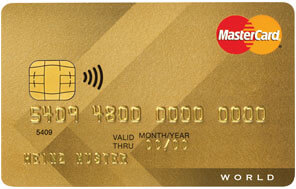
Look, premium credit cards in Switzerland basically means you're paying CHF 100 to CHF 500 annually for Gold or Platinum cards that sit somewhere between basic free cards and the ultra-luxury stuff most of us don't need.
Here's what you actually get: airport lounge access, travel insurance that doesn't suck, and better rewards rates. The question isn't whether these perks sound nice (they do). It's whether you'll actually use them enough to justify the cost.
After building GetRates and testing these cards myself, I've noticed most people fall into two camps. They either pay for benefits they never touch, or they completely miss how fast the perks add up to real savings when you actually use them.
The honest truth? Premium cards make sense if you travel three or more times per year, put CHF 20,000+ on your card, or genuinely use the included insurance. Below that? You're probably just paying for status you don't need.
How Much Do Premium Cards Actually Cost?
Annual Fee Tiers
Swiss banks aren't exactly creative here. They've got two basic tiers:
CHF 100 to CHF 200 annually
- 4 to 6 lounge visits per year (not unlimited)
- Basic travel insurance (better than nothing)
- Rewards somewhere between 0.5% and 1.5%
- Credit limits starting at CHF 10,000
CHF 200 to CHF 500 annually
- Unlimited lounge access (or close enough)
- Actually decent travel and medical insurance
- Rewards between 1% and 2%
- Credit limits starting at CHF 20,000
Hidden Costs to Consider
Here's where it gets annoying. The annual fee is just the beginning.
Foreign transaction fees on these cards range from 1.5% to 2.5% every time you spend in euros or anything that's not CHF. If you're shopping in Germany or France and spending EUR 5,000 per year, that's CHF 75 to CHF 125 just disappearing into fees. Not great.
Which Premium Cards Offer Airport Lounge Access?
Priority Pass Programs
Honestly, Priority Pass is probably the best thing about premium cards if you travel. You get access to 1,500+ lounges in 600+ cities, including all the Swiss airports (Zurich, Geneva, Basel) plus the major European hubs you're actually flying through.
Swiss premium cards with lounge access:
- UBS Key4 Credit Cards: Priority Pass with limits based on which tier you pick
- Viseca Platinum Cards: Lounge access on most of their products
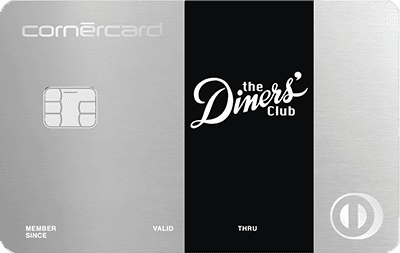
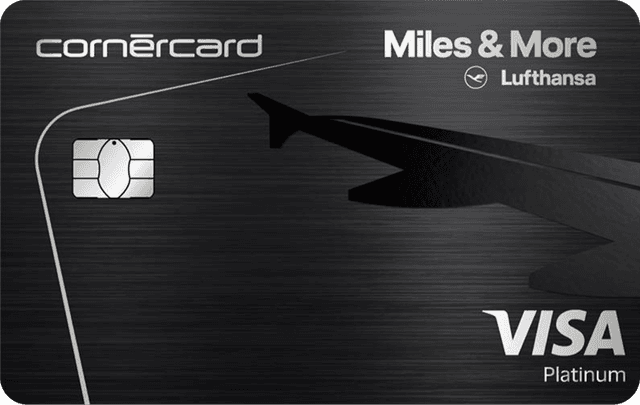
- Cornèrcard Gold/Platinum: Selected Priority Pass access
- Swisscard Platinum: Comprehensive lounge benefits
Calculating Lounge Value
Here's the math. Buying a single lounge entry costs CHF 40 to CHF 60. If your card gives you 6 annual visits, that's CHF 240 to CHF 360 in value right there. Traveling with family? Multiply that value fast.
If you're using lounges 4+ times per year, the lounge access alone justifies CHF 150 to CHF 200 in annual fees. But here's the thing: if you don't travel, this benefit is worth exactly zero. Doesn't matter how impressive it sounds at dinner parties. For a detailed breakdown of which cards give the best lounge perks and how to squeeze maximum value out of Priority Pass, read our complete lounge access guide.
What Travel Insurance Do Premium Cards Include?
Standard Coverage Components
Book your trip with your premium card, and you automatically get travel insurance. No separate policies to buy for most trips, which is actually convenient.
Trip cancellation coverage pays you back for non-refundable stuff when illness, injury, or emergencies kill your plans. You're looking at CHF 5,000 to CHF 10,000 per person depending on which card you've got.
Medical emergency coverage is where this gets real. We're talking treatment abroad, medical evacuation, repatriation, the works. Premium cards typically cover CHF 50,000 to CHF 1,000,000 in medical expenses. This alone can save you CHF 100 to CHF 200 per trip compared to buying standalone travel insurance.
Baggage protection covers lost, delayed, or damaged luggage up to CHF 1,000 to CHF 3,000. The delayed baggage benefit (CHF 200 to CHF 500 for essentials) is honestly a lifesaver when the airline loses your stuff and you need to buy basics. If you want to compare the fine print across different cards, our credit card insurance guide breaks down exactly what each policy covers and where the gaps are.
Rental Car Insurance
How Do Rewards Compare on Premium Swiss Cards?
Points vs. Cashback Programs
UBS and most Swiss banks run points programs where you earn 1 point for every CHF 2 to CHF 4 you spend. Those points are worth about CHF 0.01 each, which works out to a return of 0.25% to 0.5%. You can redeem for travel bookings, merchandise, or sometimes cashback (if you're lucky).
Cashback programs are way simpler. Cards like Cornèrcard give you 1% flat cashback with no hoops to jump through. You spend, you get cash. Done.
Realistic Annual Rewards
Let's use real numbers. If you spend CHF 30,000 per year:
- 0.5% points program gets you CHF 150
- 1% cashback program gets you CHF 300
- 1.5% travel bonus program gets you CHF 450 (but only on travel spending)
Here's the thing: if you're paying CHF 200 annually for a premium card, you need CHF 200+ in combined rewards and benefits just to break even. Most people wildly overestimate how much they'll earn back.
If you just want straightforward returns without the annual fee drama, check out the Best Cashback Credit Cards instead. They're competitive without the overhead.
Which Swiss Banks Offer the Best Premium Cards?
UBS Premium Products
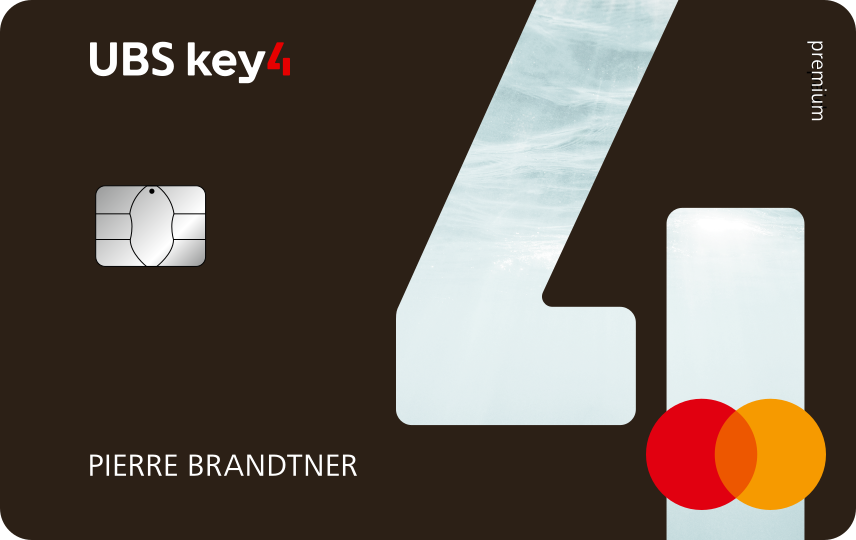
UBS basically runs the show now after absorbing Credit Suisse. Their Key4 product line has tiered premium options with different benefit levels. If you're already a UBS private banking client, you'll often get fee discounts, which helps.
UBS cards make sense if you want everything bundled together in one comprehensive Swiss banking relationship. But you're paying for that integration.
Viseca Card Products
Viseca is Switzerland's largest card issuer, though you might not know them by name. They power credit cards through cantonal banks and other partnerships. Their Platinum cards have solid lounge access and insurance through Priority Pass.
The cool thing about Viseca? Your local cantonal bank probably offers their cards. So you get local banking relationships with national card benefits. Pretty convenient.
Cornèrcard Options
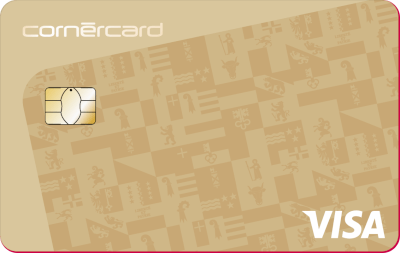
Cornèrcard (from Cornèr Bank) keeps things simple with flat cashback. You get 1% back on Gold and Platinum tiers without any complicated points math.
If you want premium tier stuff (insurance, higher limits) but can't be bothered with points optimization, Cornèrcard's your card.
Digital Bank Alternatives
Neon and Yuh don't do traditional premium credit cards. They've got Mastercard debit products with really competitive foreign exchange rates instead.
These work if you want decent international spending without annual fees. But let's be clear: no lounge access, no comprehensive insurance. You're trading premium perks for zero fees.
Who Actually Needs a Premium Credit Card?
- Frequent travelers (4+ trips annually) actually get their money's worth from lounge access and travel insurance. Just one trip with medical emergency coverage and a couple lounge visits can pay for the annual fee.
- High spenders (CHF 25,000+ annually) earn enough rewards to cover premium fees while getting higher credit limits and purchase protections. The math works out.
- Business travelers love the concierge services, detailed expense reports, and high credit limits for corporate spending. These cards are built for you.
- Occasional travelers (1 to 2 trips annually) almost never capture enough benefit value to justify premium fees. Seriously, just buy standalone travel insurance for those rare trips. It'll cost less than the annual fee premium.
- Moderate spenders (under CHF 15,000 annually) earn basically nothing in rewards regardless of card tier. You're better off with a fee-free card.
- Simplicity seekers who know they won't use lounge access, concierge services, or insurance benefits are just burning money on premium tiers. Be honest with yourself about your actual habits.
How Do I Calculate If Premium Is Worth It?
The Break-Even Formula
Here's the math you actually need to do:
Lounge access value: Number of visits × CHF 50 average Insurance savings: Trips covered × CHF 100 policy cost avoided Rewards earned: Annual spending × reward rate Additional benefits: Purchase protection, extended warranties, concierge use
Add up the total value. Subtract the annual fee. If you get a positive number, the premium card makes sense. If you get a negative number, downgrade.
Example Calculation
Let's say you're a frequent traveler with CHF 30,000 annual card spending and 5 trips per year:
- Lounge visits (10 × CHF 50): CHF 500
- Insurance savings (5 × CHF 100): CHF 500
- Rewards (CHF 30,000 × 1%): CHF 300
- Total value: CHF 1,300
- Annual fee: - CHF 250
- Net benefit: CHF 1,050
Now let's say you're the same person but you only travel once with CHF 10,000 spending:
- Lounge visits (2 × CHF 50): CHF 100
- Insurance savings (1 × CHF 100): CHF 100
- Rewards (CHF 10,000 × 1%): CHF 100
- Total value: CHF 300
- Annual fee: - CHF 250
- Net benefit: CHF 50
That CHF 50 net benefit? Barely worth the hassle. You'd probably be better off with a fee-free card.
Premium vs Luxury: What's the Real Difference?
People confuse premium and luxury cards constantly. Here's the distinction that actually matters:
Premium cards (CHF 100-500) give you the core travel benefits: lounge access, decent insurance, and reasonable rewards. They make financial sense for anyone traveling 3+ times per year with CHF 20,000+ annual card spending.
Luxury cards (CHF 400-900+) add unlimited lounge access, dedicated concierge services, higher insurance limits, and exclusive experiences. They only make sense for heavy travelers (8+ trips) spending CHF 75,000+ annually.
The value gap narrows significantly between premium and luxury tiers. Most of the meaningful benefits (lounge access, travel insurance, purchase protection) exist at the premium level. Luxury cards add marginal improvements at 2-3x the price. Unless you're in that top 10-15% of travelers and spenders, premium cards deliver better value per franc spent. If you're curious about the luxury tier anyway, our luxury credit card guide has the full breakdown.
Common Premium Card Mistakes
Tons of people pay CHF 200+ annually and never visit a single lounge, never claim insurance, and barely earn any rewards. Don't be that person. Audit your actual benefit usage every three months. If you're not using enough to justify the fee, downgrade immediately. There's no prize for loyalty to an expensive card you don't use.
Gold or Platinum sounds fancy at dinner parties, but it doesn't actually do anything for you. Here's the uncomfortable truth: a free cashback card returning 1% beats a CHF 250 premium card returning 0.5% for most spending patterns. Match your card to your actual behavior, not your aspirations about who you think you should be.
Premium cards charging 2.5% on EUR purchases will cost you CHF 250 on EUR 10,000 in annual cross-border spending. That often exceeds whatever rewards you're earning on those transactions. If you're frequently shopping internationally, prioritize low or zero FX fee cards even at premium tiers. The fancy perks mean nothing if the fees eat your rewards.
Can Foreigners Get Premium Swiss Credit Cards?
Yes, you can get premium Swiss credit cards if you've got a valid residence permit (B, C, or G). Here's what you need:
- Swiss bank account (non-negotiable)
- Proof of Swiss address
- Minimum 12 months residency (varies by issuer)
- Income verification (typically CHF 60,000+ for premium tiers)
Here's the annoying part: international applicants often face 20% to 30% higher income requirements than Swiss nationals. Some premium products are restricted to Swiss citizens or permanent residents only.
Check eligibility before you apply. Unnecessary credit inquiries hurt your score for no reason.
For more on what's available to international residents, check out our Credit Cards resource covering all card types and eligibility requirements.
My Honest Take on Premium Cards
After optimizing my own financial setup and analyzing hundreds of card configurations through GetRates, here's what I've learned: premium cards only deliver genuine value for specific profiles. The marketing sells aspiration. The math tells you the truth.

If you travel frequently, spend substantially, and actually use the included benefits, premium cards can return CHF 500 to CHF 1,500 annually beyond their fees. That's real money worth caring about.
But if you travel occasionally, spend moderately, and mostly just want payment convenience? Premium cards are costing you CHF 100 to CHF 200 annually in unnecessary fees. Check out the Best Credit Card comparison filtered by your actual spending patterns instead. You'll find better alternatives.
The comparison table above has real data. Filter by what matters to you. The right choice becomes pretty obvious when you focus on numbers instead of prestige.
Frequently Asked Questions
What is the best premium credit card in Switzerland?
Depends on what you actually use. UBS Key4 products have comprehensive benefits if you travel a lot. Viseca Platinum has solid lounge access through cantonal bank relationships. Cornèrcard works if you prefer flat cashback over points gymnastics. Use the comparison table and filter by what matters to you. The answer's different for everyone.
Are premium credit cards worth the annual fee?
They're worth it when the annual benefit value beats the costs. If you're using lounges 4+ times per year and claiming travel insurance coverage, you'll typically come out ahead. If not, probably not. Do the math on your specific usage before you commit. Don't guess.
What income do I need for a premium credit card in Switzerland?
Swiss banks want CHF 60,000 to CHF 80,000 minimum annual income for Gold cards and CHF 80,000 to CHF 120,000 for Platinum cards. If you've got an existing bank relationship, you might get approved at lower thresholds. International applicants usually face higher requirements. It's annoying but that's how it works.
Do premium Swiss cards include airport lounge access?
Yes, most Swiss premium cards include Priority Pass membership. Gold cards typically give you 4 to 6 annual visits. Platinum cards often provide unlimited access (or close enough). Check the specific limits before you pick a card based on lounge benefits. The details matter.
Which Swiss premium cards have no foreign transaction fees?
Honestly? Most Swiss premium cards charge 1.5% to 2.5% on non-CHF purchases. Some UBS products have reduced rates for specific currencies, but it's rare. If you're spending internationally a lot, check the FX fees carefully. They can eat more than you earn in rewards.
Can I get a premium card as a new Swiss resident?
Yes, foreign residents with valid permits can get premium Swiss credit cards once you've got a Swiss bank account and address history. Most issuers want 12+ months residency first. Your initial credit limits might be conservative, but they'll increase as you build payment history.