Rating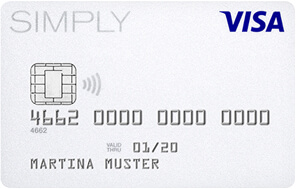
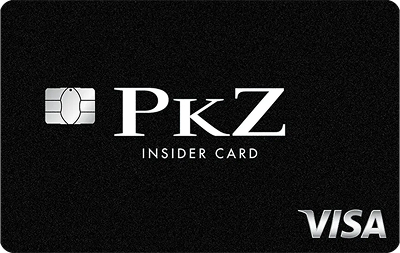
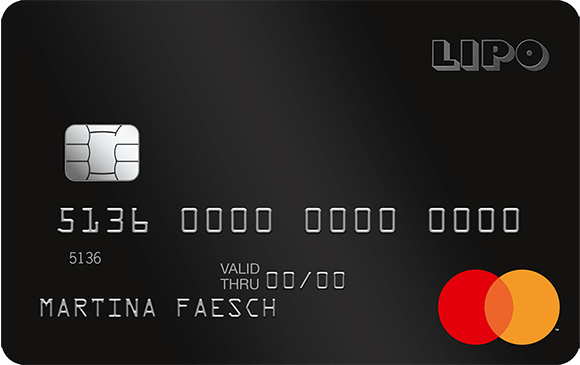
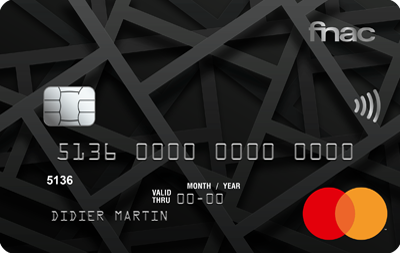



What Makes a Student Credit Card Different in Switzerland?
Here's the deal: regular credit cards want to see income and credit history. You're a student. You probably have neither. That's why student cards exist.
Banks figured out they could make money from students by offering cards with tiny credit limits (CHF 1,000 to 3,000, usually), no annual fees, and approval requirements that don't make you laugh-cry. Think of it as credit cards with training wheels.
After years of building GetRates and watching students navigate Swiss banking, I've seen two mistakes on repeat: getting rejected for cards you never qualified for, or paying for benefits you'll never use. The table above cuts through that BS and shows you what actually matters.
Look, those low credit limits aren't there to annoy you. They're keeping you from spending yourself into a hole you can't climb out of. Trust me, CHF 2,000 is plenty for booking flights, ordering textbooks online, and covering emergencies. (And if it's not, you've got bigger problems than your credit limit.)
Who Actually Qualifies for These Cards?
Swiss Students
If you're Swiss or have a C permit and you're enrolled at a university, you're basically in. Here's what banks want to see:
- Age 18+ (though some banks randomly decided 20 is the magic number)
- Student ID or that enrollment letter they make you print out
- A Swiss bank account
- Proof you live somewhere
Now, income requirements are all over the map. Some banks literally accept CHF 0 if your parents will co-sign. Others want proof of CHF 6,000 to 12,000 per year from your barista gig, scholarship, or "Bank of Mom and Dad" transfers.
Bottom line: If you're Swiss and enrolled, you'll get approved somewhere. For the full breakdown of what Swiss banks look for, check our credit card eligibility guide. It's just a matter of finding the right bank. For a full rundown of application tips, eligibility requirements, and how to avoid common pitfalls, our student credit card guide has everything you need.
International Students
Coming from abroad? It's harder, but not impossible. Plenty of ETH, EPFL, and Uni Zurich students (and yes, even CERN folks) get Swiss credit cards. You'll need:
Your student visa is the baseline requirement. Without it, no bank will consider you.
Official enrollment letter or student ID from your Swiss university.
Non-negotiable for most banks. Open this first before applying for credit.
Banks need to be able to reach you and verify your residency.
Scholarship letter, bank statements showing regular deposits, or employment contract.
Here's where it gets personal: banks evaluate you individually. Got a scholarship or a PhD salary? You're golden. Relying entirely on family money from abroad? You might need a Swiss guarantor or need to park some cash with the bank as security.
PhD Students and Researchers
Okay, this is where things get interesting. If you're a PhD student pulling in a salary or decent stipend, you're probably too good for student cards.
Think about it: you're making CHF 4,000 a month as a CERN researcher. Why settle for a basic student card when you could get a cashback card that actually rewards your spending?
Don't default to student cards just because you're technically still studying. Check if your income qualifies you for better stuff first. You might be leaving money on the table.
Which Swiss Banks Actually Matter for Students?
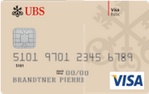
UBS Student Banking
UBS is basically the Swiss banking giant (especially after eating Credit Suisse). Their student packages are solid, if boring:
- Free until you hit 30
- CHF 1,000+ credit limits
- Decent mobile app
- Auto-upgrades you after graduation
Go with UBS if you want the full Swiss banking experience with branches everywhere. It's the safe, established choice. Nothing exciting, but nothing terrible either.
PostFinance Student Account
PostFinance is everywhere (literally, it's the post office). Their student setup is straightforward:
- Free for students
- ATMs and branches in every tiny village
- Easy to open an account
- Digital banking that works fine
Choose PostFinance if you want simple, accessible banking without the fuss. You're not going to optimize rewards here, but you'll also never struggle to find an ATM or branch when you need one.
Digital Banks: Neon and Yuh
Neon and Yuh are the new kids on the block. App-only, no branches, Mastercard debit cards. Here's the thing: they're technically debit, not credit, but for most student stuff they work just fine:
- No credit check (because it's not credit)
- Open an account in 10 minutes on your phone
- Almost no foreign transaction fees
- Instant notifications for every purchase
Pick these if you're comfortable with app-only banking and want modern UX without boomer bank nonsense. But here's the catch: debit cards don't build credit history. If that matters to you (it probably should), you'll need an actual credit card too.
Raiffeisen and Cantonal Banks
These are your local options. Raiffeisen is the cooperative bank with a presence in smaller towns. Cantonal banks (ZKB, BCGE, etc.) are the regional players.
They're good if you like the idea of personal service and banking where you actually live. Also makes sense if you're planning to stick around that region after graduating. Otherwise? They're fine but probably not worth the hassle of researching 26 different cantonal bank offerings.
What's This Actually Going to Cost You?
Annual Fees
Most student cards are free. As in, CHF 0 annual fee. This usually lasts until you're 26 or 30, depending on which bank you picked. After that, you're looking at CHF 50 to 100 per year.
Here's what you need to know: Some banks will auto-convert your card to a paid version the second you hit that age threshold. Others wait until you graduate or ask for an upgrade. Figure out which one you're dealing with before you get surprised by a charge.
If staying fee-free is your priority, our free credit cards guide lists every no-annual-fee option in Switzerland, including cards that stay free permanently.
Interest Rates
Swiss credit cards charge 9% to 15% APR.
Foreign Transaction Fees
Buy something in euros or dollars? Standard cards hit you with 1.5% to 2.5% fees. Doesn't sound like much until you're booking flights, shopping on Amazon, or traveling every semester break.
If you're doing a lot of international spending, find a card that waives these fees. Or just use a Neon/Yuh debit card for foreign stuff (they're way better for this) and keep your credit card for domestic purchases.
How Does Credit History Actually Work Here?
Building Credit Early
Forget everything you know about credit scores. Switzerland doesn't do that. Instead, there's ZEK, which tracks when you screw up: missed payments, defaults, debt collection, bankruptcies.
Here's the thing: good credit in Switzerland just means you haven't messed up. That's it. No magic score to optimize. Just don't be late on payments.
Why start now as a student? Because you'll need a clean record for:
- Renting an apartment (landlords check this)
- Getting a car loan
- Qualifying for a mortgage
- Starting a business
Start building that clean record now, and by the time you need serious financing, you'll have years of "this person pays their bills" history.
Don't Screw This Up
ZEK entries stick around for years and will haunt you when you're trying to rent that nice apartment in Zurich.
Even a few days late gets reported, seriously. Set up autopay for at least the minimum payment to avoid this.
Shows you're living beyond your means. Keep utilization reasonable.
Looks desperate to banks. Do your homework, pick one card, and apply. Wait 6-12 months before applying for another.
This one's obvious. A default will haunt you for years when renting apartments or applying for loans.
Mistakes Students Keep Making (Don't Be These People)
It's not. That CHF 2,000 limit isn't extra cash. It's borrowed money you have to pay back, probably with interest. I've seen too many students treat their credit limit like a budget extension. They graduate with debt they could've avoided. Only charge what you can pay off with money you already have.
Every time you apply for credit, it shows up on your record. Apply for three cards in a week? Banks see that and think you're desperate or broke. Do your homework, pick one card that fits, and apply. If you want another card later, wait 6 to 12 months.
Your student perks don't last forever. Free fees end. Limits get reviewed. You'll wake up on your 26th or 30th birthday to surprise charges. Put reminders in your calendar for those age thresholds. Set one for graduation too.
Student Lifestyle Benefits Worth Knowing
Beyond basic credit building, student cards come with perks that actually matter for university life:
Purchase protection covers textbooks, electronics, and gear ordered online. If something arrives damaged or gets stolen within 30-90 days, your card has your back.
Basic travel insurance on most student cards covers medical emergencies abroad. Worth knowing when you're backpacking through Europe on a budget.
Some cards also offer student-specific discounts with partner retailers, though these vary by issuer and change frequently. The real value is in building financial habits that serve you for decades, not in chasing small perks.
Credit Card or Debit Card? (Or Both?)
- Online shopping (way better fraud protection)
- Hotels and car rentals (they literally require credit cards)
- Building credit history (debit does nothing for this)
- Purchase protection (most credit cards cover you if something goes wrong)
- True emergencies (when your account is empty but you need to get home)
- Daily stuff like groceries, coffee, train tickets
- Shopping in person at Swiss stores
- If you don't trust yourself with credit
- If you can't get approved for credit yet
Honestly? Most students should use both. Credit card for the things that need credit or benefit from protection. Debit for everything else. You'll build credit history and keep yourself from overspending. Win-win.
What Happens When You Graduate?
Time to Upgrade
Once you've got a real salary, you can get real credit cards. We're talking:
- Credit limits of CHF 5,000 to 15,000+
- Actual cashback (1% to 2%)
- Premium stuff like travel insurance and lounge access
- Better interest rates (not that you'll carry a balance, right?)
Check out the best credit cards in Switzerland once you're earning a steady income. You'll get way more value than your student card ever offered.
Should You Keep Your Student Card?
Maybe. If it's still free after you graduate and it's your oldest account, keep it open. Longer banking relationships can help with future credit applications, and having a backup card costs you nothing.
If they start charging you? Cancel it and move on. No point paying for a card you've outgrown.
Getting Your Financial Life Together
Graduation is a good excuse to rethink your whole financial setup. While you're upgrading your credit card, also look at:
- Savings accounts (you need an emergency fund)
- Pillar 3a (start saving for retirement now, seriously)
- Your main bank account (maybe there's something better)
The financial habits you build now stick with you. Get them right early and future-you will be grateful.
My Honest Take
After years of watching students obsess over credit cards, here's the truth: you're overthinking this. Get one free student card from a decent bank. Use it for online shopping and travel. Pay the full balance every month. Done. Student credit cards are boring financial tools. Treat them that way.

You don't need to optimize rewards. You don't need to compare every tiny feature. You don't need three different cards for different spending categories. That's all noise that's wasting time you could spend actually making money or learning skills that matter.
The financial decisions that'll actually change your life come later: which career you pick, how well you negotiate your salary, whether you invest early, and how you handle lifestyle creep when you start earning real money.
Get a simple card, use it responsibly, and put your energy into stuff that actually matters. Trust me on this one.
Questions You're Probably Asking
What's the best student credit card in Switzerland?
Depends on your situation. Swiss students? UBS or PostFinance are solid. International student? Find a bank that's friendly to foreigners. Use the table at the top and filter by what matters to you.
Can international students actually get these cards?
Yes. You need a B permit, university enrollment, and a Swiss bank account. Some banks want a guarantor or a deposit from international students. If you're a PhD student with income, you might qualify for regular cards instead.
Do I need income?
Sometimes. Some banks are fine with zero income if your parents co-sign. Others want proof of CHF 6,000 to 12,000 per year from work, scholarships, or family money. It varies wildly by bank.
Are student credit cards free?
Most are free until you're 26 or 30. After that, you'll pay CHF 50 to 100 per year unless you upgrade or cancel. Check when your free period ends so you don't get surprised.
What credit limit will I get?
Usually CHF 1,000 to 3,000 to start. If you're a PhD student with income, maybe higher. Use it responsibly for 6 to 12 months and they might increase it.
Credit card or debit card?
Both have their place. Credit cards are better for fraud protection, building credit history, and travel. Debit cards keep you from overspending and don't require approval. Most students should use both for different things.