Rating
What Credit Card Gives the Most Cashback in Switzerland?
The best cashback cards in Switzerland offer between 0.5% and 1% on all your purchases. Simple, transparent, predictable. Sure, it's more conservative than the 2% to 5% you might see in the US or UK, but here's the thing: Swiss cards give you flat-rate returns on everything with no complicated category tracking or spending caps.
Swisscard Cashback leads the pack with up to 1% flat-rate cashback on every purchase. Cembra's Certo! line offers solid returns in the 0.5% to 0.75% range. Most traditional banks cluster around similar rates. The comparison table above shows you which cards actually deliver value after you factor in those annual fees (because spoiler: the fees matter more than the rates).
Look, I've tested multiple cashback cards over the years, and here's what I've learned: most people overthink this decision. The difference between a 0.5% and 1% card on CHF 20,000 of annual spending? It's CHF 100.
Swiss Cashback Rates at a Glance
Here's a quick snapshot of where the market stands in 2026. Rates haven't changed much, but knowing the landscape saves you from wasting time on cards that don't deliver:
Swisscard Cashback products. Requires CHF 15,000+ spending to beat annual fees.
Cembra Certo!, Cornèrcard, and select bank cards. Solid for moderate spenders.
Digital banks and no-fee cards. Best net value for under CHF 15,000 spending.
Which Card Is Right for Your Spending Level?
Depends on how much you actually spend. Not how much you think you spend (we all overestimate), but your actual annual credit card charges. Here's my framework:
Under CHF 10,000
Get a free card. Seriously, don't overthink it. Even a measly 0.25% cashback beats paying CHF 100 in fees just to say you've got a "premium" 1% card. Cards from Neon and similar digital banks work perfectly fine here. Free cards guarantee you can't lose money, which is refreshing in a world where everything comes with hidden fees.
CHF 10,000 – 30,000
Now we're talking. Cards charging CHF 50 to CHF 100 in fees with 0.5% to 0.75% cashback actually make sense at this spending level. These are the Goldilocks cards: not free, not expensive, just... fine. Good for moderate spenders who want some rewards without the commitment.
Over CHF 30,000
Premium cards with higher fees and better rates start delivering real value. You're paying CHF 100 to CHF 200 annually, but the math finally works. Most throw in travel insurance worth CHF 150+ a year, which can save your ass if you travel regularly. Swisscard Cashback Visa/Mastercard dominates this tier. But honestly, at this spending level, you should probably compare travel credit cards too. The travel perks might beat pure cashback.
Get a free card. Seriously, don't overthink it. Even a measly 0.25% cashback beats paying CHF 100 in fees just to say you've got a "premium" 1% card. Cards from Neon and similar digital banks work perfectly fine here. Free cards guarantee you can't lose money, which is refreshing in a world where everything comes with hidden fees.
Now we're talking. Cards charging CHF 50 to CHF 100 in fees with 0.5% to 0.75% cashback actually make sense at this spending level. These are the Goldilocks cards: not free, not expensive, just... fine. Good for moderate spenders who want some rewards without the commitment.
Premium cards with higher fees and better rates start delivering real value. You're paying CHF 100 to CHF 200 annually, but the math finally works. Most throw in travel insurance worth CHF 150+ a year, which can save your ass if you travel regularly. Swisscard Cashback Visa/Mastercard dominates this tier. But honestly, at this spending level, you should probably compare travel credit cards too. The travel perks might beat pure cashback.
How Does Cashback Work on Swiss Credit Cards?
It's way simpler than you'd think (thank god). Swiss cashback cards mostly work as charge cards, meaning you pay them off in full every month. No revolving balances, no interest rate games. This means you can basically ignore the interest rate and focus on what actually matters: annual fees and foreign transaction costs. (Need a deep dive on every fee type? Check our credit card fees guide.)
The math is dead simple. Spend CHF 1,000, get CHF 5 to CHF 10 back depending on your card's rate. Some cards offer category bonuses at specific retailers, but that's rare here. Switzerland doesn't do the complicated bonus category rotations you see in the US (honestly, good riddance).
Most cards just deposit your cashback automatically once a year, usually in January. Some do it quarterly. Unlike those annoying points programs where you've got to manually redeem stuff, cashback just shows up. Zero effort required.
One catch: some cards have minimum thresholds before they'll pay out. Like, you need CHF 20 or CHF 50 accumulated before they'll bother transferring it. On a low-rate card with modest spending, you might wait years to hit that threshold. Premium cards usually skip this nonsense entirely.
For a deeper dive into how Swiss cashback programs actually work, including payout schedules and tax implications, read our complete cashback guide.
Cash Back Credit Cards No Annual Fee: Are They Worth It?
Short answer: yes, for most people. Here's my honest take.
- You literally can't lose money. Whatever you earn is pure profit.
- No complicated break-even math to stress about
- Perfect if you're building credit history in Switzerland
- Great as a backup card for specific situations
- The cashback rates are pretty meh (0.25% to 0.5%)
- Insurance? What insurance. You're getting the bare minimum.
- Customer service is... functional. Don't expect white-glove treatment.
- Foreign transaction fees can still screw you on international purchases
Look, if you're charging under CHF 15,000 a year, a free card beats a premium one. Period. The math just doesn't work otherwise. Paying CHF 150 annually to earn an extra CHF 75 in cashback is stupid, and I'll die on this hill. For a deep dive into the best options, check our no annual fee cashback cards guide.
Swisscard Cashback: Is It the Best Option?
Swisscard Cashback gets talked about constantly, and yeah, there's a reason. It offers some of the highest flat-rate cashback you'll find in Switzerland. But is it actually the best? Depends.
You're getting up to 1% cashback on everything, which is solid. The annual fee runs around CHF 100 to CHF 150 depending on which version you get. Do the math: you need to spend CHF 10,000 to CHF 15,000 annually just to break even. If you're not hitting that, you're literally paying for the privilege of getting cashback.
- Annual fee: CHF 150
- Cashback rate: 1%
- Break-even spending: CHF 15,000
The insurance stuff is actually pretty decent. Travel medical coverage, purchase protection, extended warranty. If you travel a few times a year, these perks can justify the fee by themselves. But honestly, if insurance is your main concern, compare it with dedicated travel credit cards first.
Bottom line: Swisscard Cashback makes sense if you're spending CHF 15,000+ a year mostly in Switzerland. International travelers or anyone splitting spending across currencies? There are better options.
Mastercard Cashback vs Visa Cashback: Does It Matter?
Not really. Both Mastercard and Visa work basically everywhere in Switzerland. Both work internationally. This isn't a real decision.
Here's what actually matters: the cashback rate, the annual fee, and the foreign transaction costs. A 1% Visa crushes a 0.5% Mastercard every time, regardless of whatever network benefits they're marketing. Stop worrying about the logo on the card and start looking at the actual numbers.
One tiny consideration: some budget airlines (looking at you, Ryanair) and random online merchants occasionally prefer one network over the other. Having cards from both networks gives you maximum flexibility. But honestly, that's overkill for most people.
Cashback vs Travel Points: Which Rewards Better?
This is actually a personality test disguised as a finance question.
Guaranteed, immediate value. No games, no optimization. 0.5-1% back automatically.
2-5x potential value on optimal redemptions. Requires active management.
Cashback gives you guaranteed, immediate value. No games, no optimization, no "should I redeem for this flight or that hotel." Travel points can deliver way higher returns, but you've got to work for it.
Go with cashback if:
- You value your time and sanity over squeezing out every last franc
- You travel fewer than 4 times a year (be honest)
- The thought of tracking points and redemption windows makes you tired
- You want your rewards to just happen automatically
Go with travel points if:
- You actually fly frequently (especially SWISS or Star Alliance)
- You're the type who researches optimal redemptions for fun
- Airport lounge access and travel insurance matter to you
- You're putting CHF 30,000+ on credit cards annually
Real talk: many high spenders just get both. Use a cashback card for daily stuff, use a travel card for flight bookings. For a detailed breakdown, read our cashback vs points comparison. You can also check out our Best Travel Credit Cards in Switzerland guide or our complete credit card rewards programs overview.
What Credit Card Gives Highest Cash Back for Online Shopping?
Online shopping gets standard cashback rates on most Swiss cards. No special bonuses, no rotating categories. Just the same rate you'd get swiping in a store.
But here's where it gets annoying: buying from US or EU retailers in non-CHF currencies usually hits you with 1.5% to 2.5% foreign transaction fees. So your 1% cashback card is actually costing you 1% when you order from Amazon US or whatever. Fun, right?
The fix: Get a card that eliminates foreign transaction fees. Some digital bank cards and premium products skip these fees entirely, which is clutch if you shop internationally online. The Best Credit Cards in Switzerland comparison shows you which cards waive foreign fees.
How to Calculate Your Real Cashback Value
Time for some honest math. Grab a calculator (or your phone, whatever) and let's figure out what you'll actually earn.
Add up groceries, fuel, dining, shopping, subscriptions, travel. Leave out rent, mortgage, and cash stuff (obviously you can't put those on a credit card). Most Swiss households charge between CHF 15,000 and CHF 25,000 a year. You're probably somewhere in there.
Take your annual spending and multiply by the cashback rate. If you're spending CHF 20,000 on a 1% card, that's CHF 200. Easy.
This is where reality hits. CHF 200 in cashback minus CHF 150 annual fee = CHF 50. Suddenly not as exciting, is it?
If the card's travel insurance saves you CHF 100 on policies you'd buy anyway, add that back. So CHF 50 + CHF 100 = CHF 150 total value. But be honest: would you actually buy that insurance separately?
A free card earning 0.5% on CHF 20,000 = CHF 100 with no fee. In this example, the free card literally wins unless you genuinely need the insurance. This is why I keep harping on the free card thing.
Want to skip the manual math? Use our cashback calculator to compare cards based on your actual spending patterns and see exactly which card delivers the most value for your lifestyle.
Application Requirements for Cashback Cards
Applying for a Swiss credit card is pretty straightforward. Here's what you'll need:
- Valid residence permit (B, C, or Swiss passport)
- Proof of income (salary slips or tax returns)
- Address confirmation (utility bill or rental contract)
- Existing banking relationships help but aren't required
Income requirements vary by card tier. Free cards usually want CHF 30,000 minimum annual income. Premium cashback cards demand CHF 60,000 to CHF 80,000. If you're on a B permit, expect stricter limits at first, but they'll ease up as you build payment history.
Processing time ranges from instant (if you're already a customer) to 2-3 weeks (if they need to verify your income and you're new to them).
Common Cashback Card Mistakes to Avoid
I've been optimizing credit cards for years, and I see people make the same mistakes over and over. Here's how to avoid them.
A 1% card with a CHF 150 fee only beats a 0.5% free card if you're spending above CHF 30,000 annually. Most people wildly overestimate how much they actually charge. Check your statements before you commit.
You've got a 1% cashback card, great. But if it charges 2% on foreign transactions, you're losing 1% on every international purchase. Always check the fee structure before you travel or buy stuff from international websites.
Swiss credit cards charge 9% to 15% interest on unpaid balances. At those rates, your cashback is meaningless. Pay your card in full every month, no exceptions. If you can't do that, you don't need a cashback card, you need a budget.
Premium cards often include travel insurance worth CHF 200+ a year. If you'd buy that insurance anyway, factor it into your value calculation. It can completely change the math on whether a premium card makes sense.
Multiple credit applications in a short period can mess with future approvals. Pick one card that fits your needs instead of trying to collect them all. This isn't Pokemon.
Best Cashback Credit Cards Switzerland 2026: My Recommendation
After analyzing the entire Swiss market, here's what you should actually do: most people should start with a no-fee cashback card. You'll earn something without any risk of losing money on fees. If your spending increases later, you can always upgrade. But honestly, most people never need to.

No-fee card with 0.25-0.5% cashback. Zero risk, guaranteed returns.
CHF 25,000+ annually? Swisscard or premium cards with 0.75-1% rates make sense.
Prioritize zero foreign transaction fees over cashback rates.
The comparison table at the top ranks all Swiss cashback cards by actual value (not marketing fluff). Filter by annual fee, cashback rate, or whatever matters to you. For broader comparisons including travel and premium options, check out our Best Credit Cards in Switzerland overview.
Frequently Asked Questions
What is the best cashback credit card in Switzerland?
Swisscard Cashback products hit around 1%, which is about as good as it gets here. But "best" really depends on how much you spend. If you're under CHF 15,000 annually, a no-fee card from a digital bank will actually deliver better value. Don't let the marketing fool you.
Are there free credit cards with cashback in Switzerland?
Yep. Several digital banks and even some traditional issuers offer free cashback cards. You're looking at 0.25% to 0.5% rates, which is lower than premium cards, but you're guaranteed to come out ahead since there's no fee.
How much cashback can I earn annually in Switzerland?
On CHF 20,000 of spending with a 1% card, you'd gross CHF 200. Subtract the annual fee to get your real number. Most Swiss households end up netting between CHF 50 and CHF 200 a year from cashback. It's nice, but it's not life-changing.
Is cashback taxable in Switzerland?
Nope. Swiss tax authorities treat cashback as purchase discounts, not income. Your standard cashback rewards don't need to be declared. If you're getting huge promotional bonuses or using business cards, maybe chat with a tax advisor, but for normal stuff, you're fine.
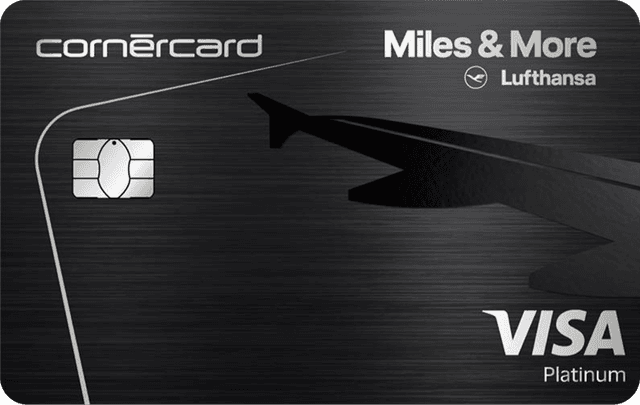
Which is better: cashback or Miles & More points?
Cashback gives you guaranteed value with zero effort. Miles & More can get you 2-5 cents per point if you're strategic about redemptions, but you've got to work for it. It comes down to whether you fly enough to care and whether you want to spend time optimizing. Most people should just get cashback and move on with their lives.