as a preferred source on Google
CHF 200 a month into the same world ETF costs CHF 3.60 a year at Saxo, neon or Yuh, and CHF 136.28 at Swissquote. Same ETF, same amount, about 38 times the price. The fund you pick matters, but for a monthly plan the provider decides how much of your money actually gets invested. Here's what each ETF savings plan in Switzerland really costs, and which one fits you.
What is an ETF savings plan, and which is cheapest in Switzerland?
An ETF savings plan automatically invests a fixed amount in one or more ETFs every month. In Switzerland, Saxo AutoInvest, neon and Yuh are the cheapest: no purchase fee on a selection of ETFs, so CHF 200 a month costs about CHF 3.60 a year in stamp duty. Trading 212 costs about the same, without a Swiss tax statement.
You set the amount, the ETF and the rhythm once. The provider then pulls the money from your account and buys for you, whether markets are up or down. No order tickets, no "is now a good time?" debates with yourself. That's the whole point: a savings plan turns investing into a habit, like paying rent, except the money stays yours.
Most people use it for one broad world ETF and leave it running for years. If you've never bought an ETF before, start with our guide on how to buy ETFs in Switzerland; how to buy shares explains the basics of accounts, orders and ISINs.
Whole units or fractional: why it matters for small amounts
Here's the catch most comparisons skip. Some plans only buy whole units of an ETF. If one unit costs more than your monthly amount, nothing gets bought that month, and the rest of your money sits in cash until the next run.
Saxo and neon buy whole units only. Yuh, PostFinance, Swissquote, Interactive Brokers and Trading 212 buy fractions, so every franc goes to work. With CHF 50 a month and a world ETF priced well above that, a fractional plan is the only plan that invests every month.
ETF savings plan costs: 7 providers on one example
Fees on a savings plan come from four places: the commission per purchase, Swiss stamp duty, the custody fee and the cost of the tax statement. Currency exchange adds a fifth if the ETF isn't traded in CHF. Here are the conditions side by side, ranked by the cost of our example below.
| Provider | Fee per purchase | Minimum per purchase | Units | ETF choice | Custody per year | Swiss tax statement |
|---|---|---|---|---|---|---|
| Trading 212 | CHF 0 | CHF 1.00 | Fractional | – | CHF 0 | None |
| neon invest | CHF 0 on selected ETFs | Price of 1 unit | Whole units | Up to 3 per plan | CHF 0 | Free |
| Saxo Bank | CHF 0 | Price of 1 unit | Whole units | 100+ ETFs, up to 10 per plan | CHF 0 | Free |
| Yuh | CHF 0 on selected ETFs | CHF 10.00 | Fractional | – | CHF 0 | Yes, fee not confirmed |
| Interactive Brokers | 0.05% (min. CHF 5.00) | Not published | Fractional | – | CHF 0 | None |
| PostFinance E-Trading | 1% (min. CHF 1.00) | CHF 1.00 | Fractional | 100+ ETFs | CHF 72.00, refunded as trading credit | CHF 97.30 |
| Swissquote | From CHF 3.85 | Not published | Fractional | – | From CHF 86.48 | CHF 85.00 |
Now the real test: CHF 200 every month into a foreign-domiciled world ETF traded in CHF, 12 purchases, first year, buying costs only.
| Provider | Commission | Stamp duty | Custody | Total year 1 | FX if the ETF isn't in CHF |
|---|---|---|---|---|---|
| Trading 212 | CHF 0 | None | CHF 0 | CHF 0 | CHF 3.60 |
| neon invest | CHF 0 | CHF 3.60 | CHF 0 | CHF 3.60 | CHF only |
| Saxo Bank | CHF 0 | CHF 3.60 | CHF 0 | CHF 3.60 | CHF only |
| Yuh | CHF 0 | CHF 3.60 | CHF 0 | CHF 3.60 | CHF 22.80 |
| Interactive Brokers | CHF 60.00 | None | CHF 0 | CHF 60.00 | CHF 0.05 |
| PostFinance E-Trading | CHF 24.00, covered by the credit | CHF 3.60 | CHF 72.00 | CHF 75.60 | CHF 24.00 |
| Swissquote | CHF 46.20 | CHF 3.60 | CHF 86.48 | CHF 136.28 | CHF 22.80 |
- Swissquote: the commission includes the CHF 0.85 real-time surcharge per order; exchange fees come on top.
- Interactive Brokers, Trading 212: no Swiss stamp duty, but no Swiss tax statement either.
- Selling is charged at each provider's normal trading fees and is not included.
- Swiss-domiciled ETF: stamp duty is 0.075%, so CHF 1.80 a year instead of CHF 3.60.
The free plans win clearly: the CHF 3.60 you pay at Saxo, neon or Yuh is simply the stamp duty on CHF 2,400 invested. Interactive Brokers pays no stamp duty but charges its minimum commission of CHF 5 on every purchase, which adds up to CHF 60 a year. PostFinance and Swissquote are expensive mostly because of their custody fees, not because of the plan itself.
Want to see what your own plan grows to over 10 or 20 years? Simulate it with our ETF calculator, which also shows the effect of fees on the final amount.
How we calculated the yearly cost
We took each provider's savings plan conditions and applied them to 12 monthly purchases of CHF 200. Stamp duty is 0.15% on foreign-domiciled ETFs and 0.075% on Swiss ones, charged by Swiss securities dealers only, as the Federal Tax Administration explains. Foreign brokers like Interactive Brokers and Trading 212 don't charge it.
Custody is the yearly fee for a small portfolio below the first fee tier. At PostFinance, the custody fee comes back as trading credit, which covers the CHF 24 of commissions in our example. Selling isn't included: every provider charges its normal trading fees when you sell. Fees as of 29 October 2026.
The ETF savings plans in detail: Saxo, neon, Yuh and more
 Saxo AutoInvest: the free ETF savings plan, in whole units
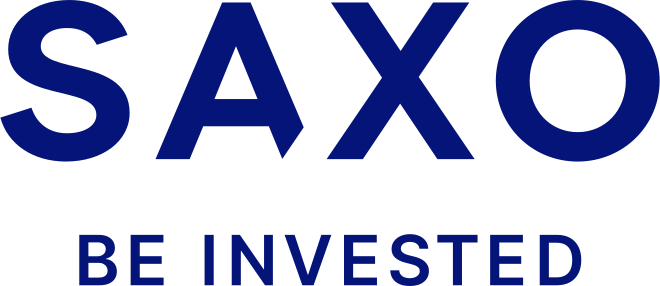
Saxo AutoInvest charges no purchase fee and no monthly fee on more than 100 iShares and Amundi ETFs. You can hold up to 10 ETFs per AutoInvest sub-account, everything is bought in CHF, and the plan runs on the 5th of each month. Saxo is a Swiss bank, so stamp duty applies, and the eTax statement is free.
The trade-offs: AutoInvest buys whole units only, so your monthly amount must cover at least one unit of each ETF. You can't move positions in or out of the AutoInvest sub-account, and selling costs Saxo's normal fee (0.08%, minimum CHF 3). For a long-term buy-and-hold plan, none of this hurts much. Our Saxo Bank review covers the rest of the account.
 neon invest: 0% on partner ETFs, up to 3 per plan
neon charges 0% on selected partner ETFs and ETPs in a savings plan. Technically, the fee is charged and then refunded within two business days. The partner list includes Swisscanto, Invesco (FTSE All-World), Xtrackers (S&P 500 and Nasdaq 100), WisdomTree and the FuW Swiss 50 ETP. Other titles cost 0.5% per purchase, with a minimum of CHF 1.
A plan holds up to 3 positions and runs monthly. neon doesn't trade fractions, so the minimum per purchase is the price of one unit. Everything trades in CHF (no FX fee), there's no custody fee and the eTax statement is free. One catch if you ever leave: transferring your securities out costs CHF 100 per position. Details in our neon invest review.
 Yuh: free recurring buys on a selection of ETFs
Yuh charges no trading fee on a selection of ETFs, but only when you buy them through a recurring order. A one-off purchase of the same ETF costs 0.5%. Stamp duty still applies, so our example costs CHF 3.60 a year, like Saxo and neon.
The minimum is CHF 10 per execution, Yuh buys fractions, and you can choose weekly or monthly purchases. That makes Yuh the easiest plan for small amounts. Watch two things: ETFs not traded in CHF cost 0.95% in currency exchange, and you can't transfer your securities out to another bank. More in our Yuh review.
 PostFinance: from CHF 1, but 1% per purchase
PostFinance lets you start from CHF 1 and buys fractions, with more than 100 ETFs plus shares from the SMI, DAX, CAC 40, Euro Stoxx 50, Dow Jones and Nasdaq 100. You need a PostFinance account. Each execution costs 1%, with a minimum of CHF 1.
The custody fee of CHF 72 a year comes back as trading credit, so in our example the commissions are covered and you pay CHF 75.60 in total. That's the friendly reading. The less friendly one: 1% per purchase is expensive the moment your amounts grow, and the eTax statement costs CHF 97.30. Read our PostFinance E-Trading review before you commit.
 Swissquote Saving Plan: flexible, but no cheaper than a normal order
Swissquote's plan offers several intervals and buys fractions once you activate fractional trading. But it charges exactly what a manual order costs: no savings plan discount. On an ETF Leaders fund, a purchase up to CHF 500 costs CHF 3, plus a CHF 0.85 real-time surcharge, plus exchange fees. That's CHF 3.85 every month before the exchange fees.
Add the custody fee of CHF 86.48 a year for a small portfolio and you reach CHF 136.28 in our example, the highest of the 7. Swissquote makes sense if you already use it for everything else and want one account. If you open one anyway, our Swissquote promo code gives you trading credit. Full picture in the Swissquote review.
 Interactive Brokers: recurring investments for larger amounts
Interactive Brokers has a "Recurring Investments" feature that buys a fixed amount for you, in fractions if you enable the permission. There's no savings plan discount: you pay the normal commission of 0.05% with a minimum of CHF 5 per purchase. No stamp duty, no custody fee.
That minimum is the problem for small plans. At CHF 200 a month, you pay CHF 60 a year, and at CHF 50 the commission eats 10% of each purchase. Interactive Brokers only catches up with the free plans from about CHF 3,333 per purchase. There's no Swiss tax statement either, so you build your own tax list or pay a third party. See our Interactive Brokers review.
 Trading 212: free Pies at a foreign broker
Trading 212 lets you build "Pies" and invest automatically without commission, from CHF 1 and in fractions. As a foreign broker, it doesn't charge Swiss stamp duty, which is why our example comes to CHF 0. Pies hold cash in your account's main currency, and every conversion costs 0.15% in FX: CHF 3.60 a year in our example if the ETF isn't traded in CHF.
The bigger trade-off is paperwork: no Swiss tax statement, so you fill in your securities list yourself. Read our Trading 212 review for what that means in practice.
Cornèrtrader and DEGIRO don't offer an ETF savings plan. You can still buy ETFs there every month by hand, at their normal fees.
Free plan, Interactive Brokers or your house bank: which fits you?
Start with your monthly amount. For anything a normal household invests each month, a free plan at Saxo, neon or Yuh costs only stamp duty. Interactive Brokers stays the cheapest broker for large one-off purchases, as our broker comparison shows in its investor profiles, but its minimum commission makes it a poor fit for small monthly plans.
Then decide what you value:
- A Swiss bank and a free tax statement: Saxo AutoInvest, if your amount covers whole units.
- Small amounts, weekly or monthly, fractions: Yuh.
- A simple app with CHF-only trading: neon, with up to three ETFs per plan.
- Everything in one place at your existing bank: PostFinance or Swissquote, if you accept paying more.
Don't forget the tax statement in that decision. Saxo and neon include it for free, while PostFinance charges CHF 97.30 and Swissquote CHF 85 a year. On a small plan, that one document costs far more than the stamp duty on all your purchases, year after year.
Raiffeisen, UBS and other house banks: fund savings plans
UBS, Raiffeisen, ZKB and Migros Bank mainly offer fund savings plans, usually built on actively managed funds with higher running costs than an ETF. UBS runs its plans through key4 and fund-based solutions, which our UBS review covers. A fund savings plan isn't a bad product, but compare the yearly fund costs with a world ETF before you sign anything at the counter.
How do you start an ETF savings plan? 4 steps
Before you start, check your pillar 3a. Contributions are tax-deductible, and you can invest them in ETF-based funds too: our guide to starting with 3a funds shows how. Once your 3a is full for the year, a savings plan is the natural next step.
Use the table above. Small amounts point to Yuh, whole-unit plans with a Swiss tax statement to Saxo or neon. Open the account online with your ID; it takes one sitting.
A world ETF traded in CHF is enough for most people. Check that it's on the provider's free list, or you pay the normal commission on every purchase.
Pick an amount you can keep paying in bad months too. Plan the transfer from your salary account a few days before the execution date so the cash is there.
Look at the plan once a year: is the ETF still on the free list, do the fees still fit? Raise the amount when your salary goes up. Otherwise, don't touch it.
Dollar cost averaging: does the cost-average effect really pay off?
Dollar cost averaging (the cost-average effect) means you buy more units when prices are low and fewer when they're high, because the amount stays fixed. It sounds like a trick to beat the market. It isn't.
A simplified example: you invest CHF 100 when a unit costs CHF 50 and get 2 units. Next month the price drops to CHF 40, and the same CHF 100 buys 2.5 units. You now own 4.5 units for CHF 200, an average of CHF 44.44 per unit, below the average price of CHF 45. Nice, but the gap is small, and it only exists because prices moved.
What it really does is reduce timing risk: you never put everything in at the worst possible day. It doesn't guarantee a better return than investing a lump sum at once. Markets rise more often than they fall, so a lump sum invested early often ends up ahead. The real advantage of a savings plan is behavioural: it gets you investing regularly from your salary, which most people wouldn't do otherwise.
If you already have a large amount in cash, a lump sum is usually the better maths. If you're investing from your monthly salary, a savings plan is simply how it works.
Can you open an ETF savings plan for your child?
A savings plan in your child's name needs a youth or child account with a securities account, at a provider that offers one for minors. Conditions vary a lot from one provider to the next, so check them directly before you open anything. Our overview of youth accounts is a good starting point.
The simpler route: run the plan in your own name and earmark it for your child. You keep full control, and you decide when to hand it over. Either way, a small monthly amount over 18 years can grow into a meaningful start in life, which you can estimate with our compound interest calculator.
Robo-advisor instead of a savings plan?
Robo-advisors like finpension, Selma, findependent, VIAC Invest, True Wealth, VZ VermögensZentrum and arvy also call their offers "ETF savings plans". They invest your money in a ready-made ETF portfolio and rebalance it for you. In exchange, you pay an all-in management fee every year on top of the ETFs' own costs.
That fee grows with your portfolio, while a free plan at a broker only costs stamp duty on each purchase. A robo-advisor makes sense if you want zero decisions. If you're fine choosing one world ETF yourself, a broker savings plan is cheaper.
Common mistakes with ETF savings plans
The 0% only applies to the provider's selected ETFs. Pick another fund and every monthly purchase pays the normal commission, which wipes out the advantage of a free plan.
On a whole-unit plan like Saxo or neon, a monthly amount smaller than one unit buys nothing. Check the unit price of your ETF before you set the amount.
A plan can be cheap per purchase and still expensive per year. At Swissquote, custody costs more than the commissions in our example.
No stamp duty sounds great, but without a Swiss tax statement you list every position yourself in your tax return. For many people, that's worth a few francs of stamp duty.
Falling prices are exactly when your fixed amount buys more units. Stopping then turns the cost-average effect against you.
Every franc paid into your 3a cuts your taxes. Fill it first, then run your savings plan on top.
My take
If a friend asked me where to start an ETF savings plan, I'd say: fill your 3a first, then pick one world ETF and automate it. Saxo AutoInvest is my pick if you want a Swiss bank, a free tax statement and your amount covers whole units. With small amounts, Yuh is the easiest way to start, because it buys fractions from CHF 10. Interactive Brokers is great for large one-off purchases, not for CHF 200 a month. And whatever you choose, the plan only works if you leave it alone for years.

Taxes work like any ETF holding: you pay wealth tax on the value at 31 December, and distributions and accumulated income count as income. Capital gains stay tax-free for private investors. Our guide on taxes on shares explains each step.
Frequently asked questions
Which ETF savings plan is cheapest in Switzerland?
Saxo AutoInvest, neon and Yuh are the cheapest ETF savings plans in Switzerland: no purchase fee on their selected ETFs, so CHF 200 a month costs CHF 3.60 a year in stamp duty. Trading 212 is free of commission and stamp duty, but gives you no Swiss tax statement.
Is Saxo AutoInvest really free?
Yes for buying: AutoInvest charges no purchase fee and no monthly fee on its ETF list, and Saxo has no custody fee. You still pay 0.15% Swiss stamp duty on each purchase, and selling costs Saxo's normal fee (0.08%, minimum CHF 3). The plan buys whole units only.
Can I start an ETF savings plan with CHF 50?
Yes. Yuh accepts CHF 10 per execution and PostFinance and Trading 212 start lower, all with fractions. At PostFinance, CHF 50 costs CHF 1 per purchase (2%). Avoid Interactive Brokers at this level: its minimum commission takes 10% of each purchase.
Do I pay stamp duty on an ETF savings plan?
Yes, at Swiss providers: 0.15% on each purchase of a foreign-domiciled ETF and 0.075% on a Swiss one, even when the savings plan itself is free. Foreign brokers like Interactive Brokers and Trading 212 don't charge it.
Savings plan or lump sum: which is better?
If you already have the money, a lump sum invested at once often ends up ahead, because markets rise more often than they fall. A savings plan reduces the risk of bad timing and lets you invest from your salary. Most people end up doing both.
Can I open an ETF savings plan for my child?
Only at a provider that offers a youth or child account with a securities account, and conditions differ widely. The simpler option is an ETF savings plan in your own name, earmarked for your child, which keeps you in control until you hand it over.
How is an ETF savings plan taxed in Switzerland?
Like any ETF holding: wealth tax on the value at 31 December, and income tax on distributions and accumulated income. Capital gains are tax-free for private investors. A Swiss tax statement, free at Saxo and neon, makes the tax return much easier.